It started with a
messy library
My name is Jamie (hello, hi, how are you 👋) and I am the creator of Phoslog. In 2019 I bought a Nikon FE in the parking lot of a local BBQ joint because I had a grand vision of traveling Europe shooting film. A week of hostel hopping through Germany later, I had seven exposed rolls of Portra 400 that I painstakingly scanned on an Epson flatbed I borrowed from a coworker (thanks Andrew). It took forever, I don't know how you flatbed people still do it.
After dumping all seven rolls' worth of scans into Google Photos, I quickly realized the disaster I created. Photos scattered all over my chronological timeline in whatever order and date I scanned them in. This was the start of my metadata journey.
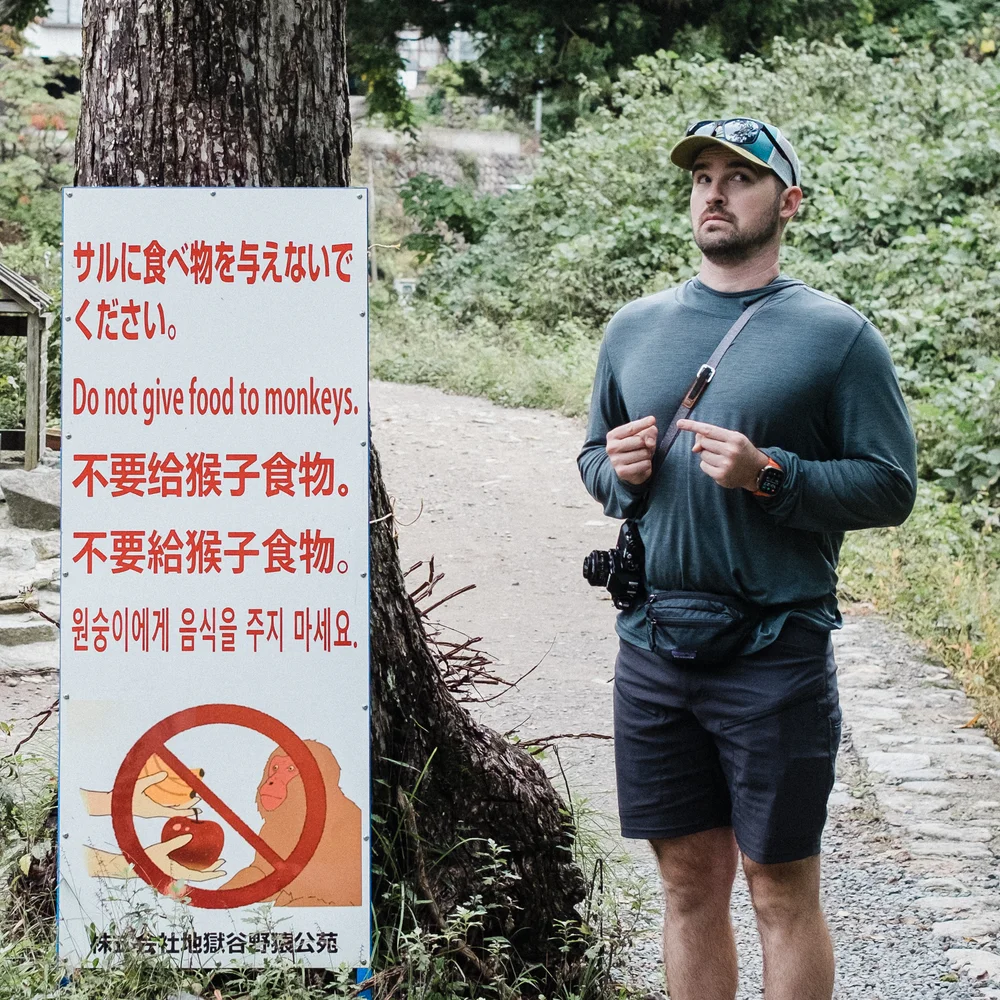
I did not feed the monkeys.
There are a few decent logging apps out there (shoutout to Frames and Logbook), but I always thought they were tedious to actually get a shot logged. I was spending sooo much time staring at my phone (my girlfriend has an endless supply of post-shot Jamie on his phone photos).
And then there is actually getting all that beautiful logged data attached to your scanned photos. ExifTool is the gold standard. I think we all owe Phil Harvey (creator of ExifTool) a debt of gratitude for this gem... but a command-line tool (that thing that makes you look like a TV show hacker) is far from a user-friendly solution for most "normies."
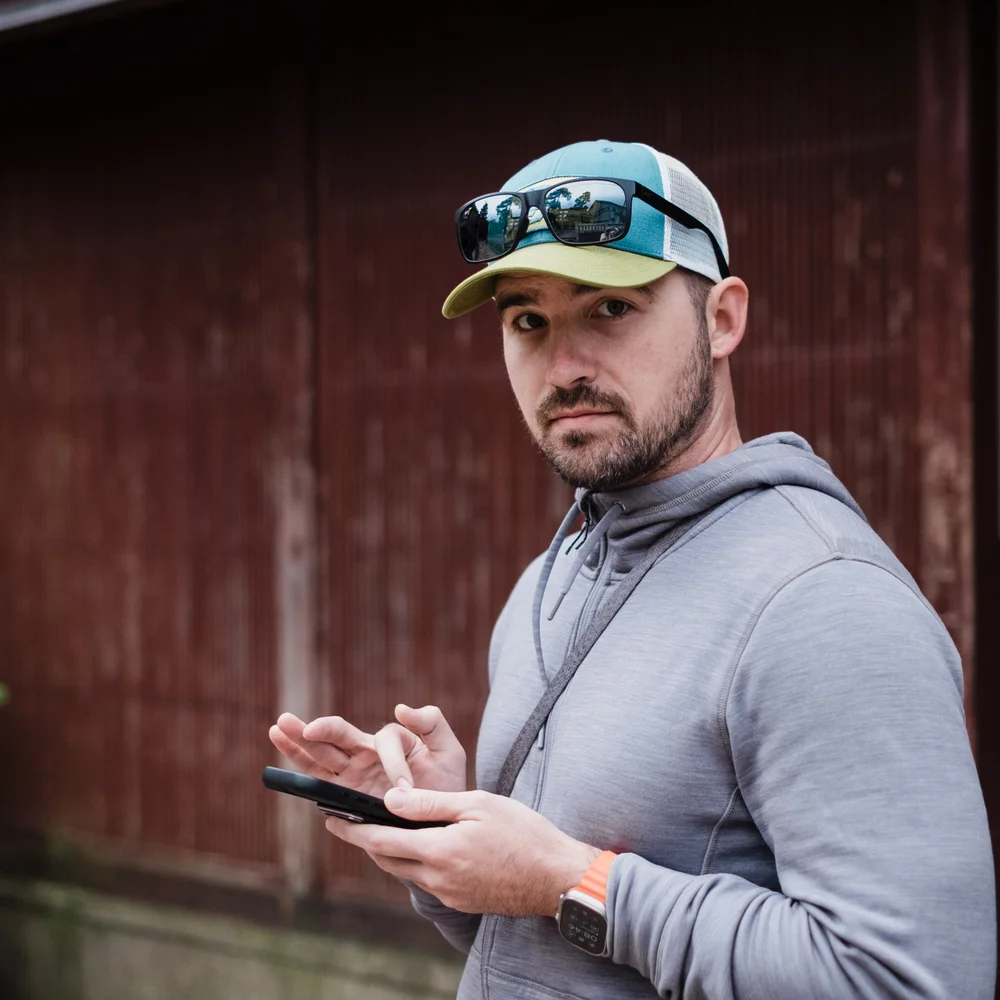
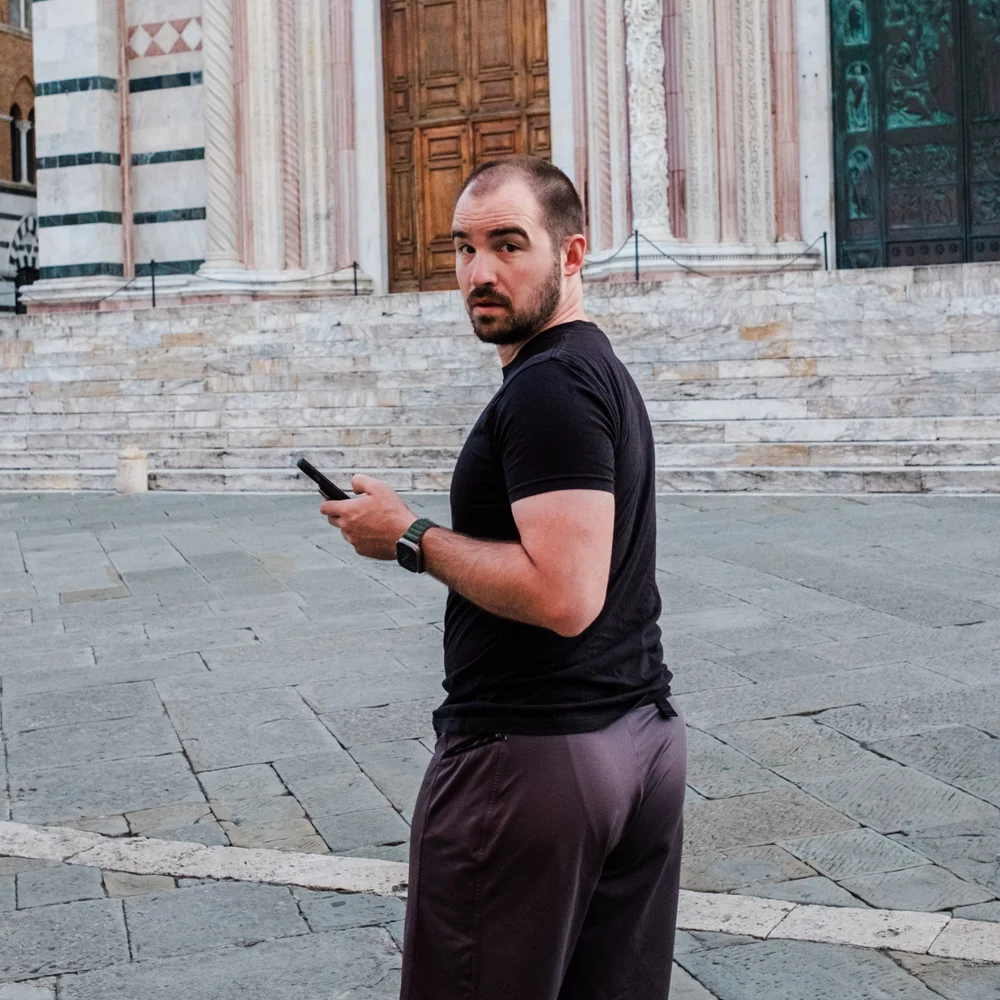
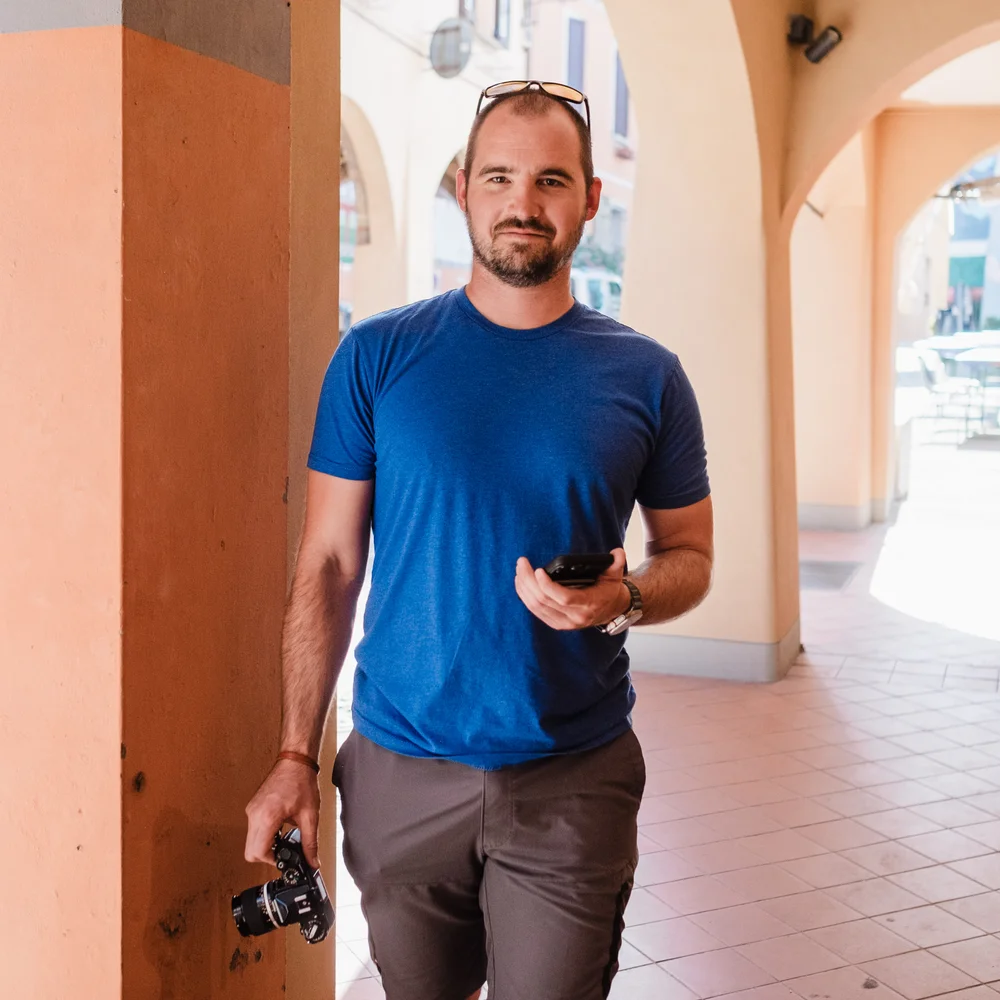
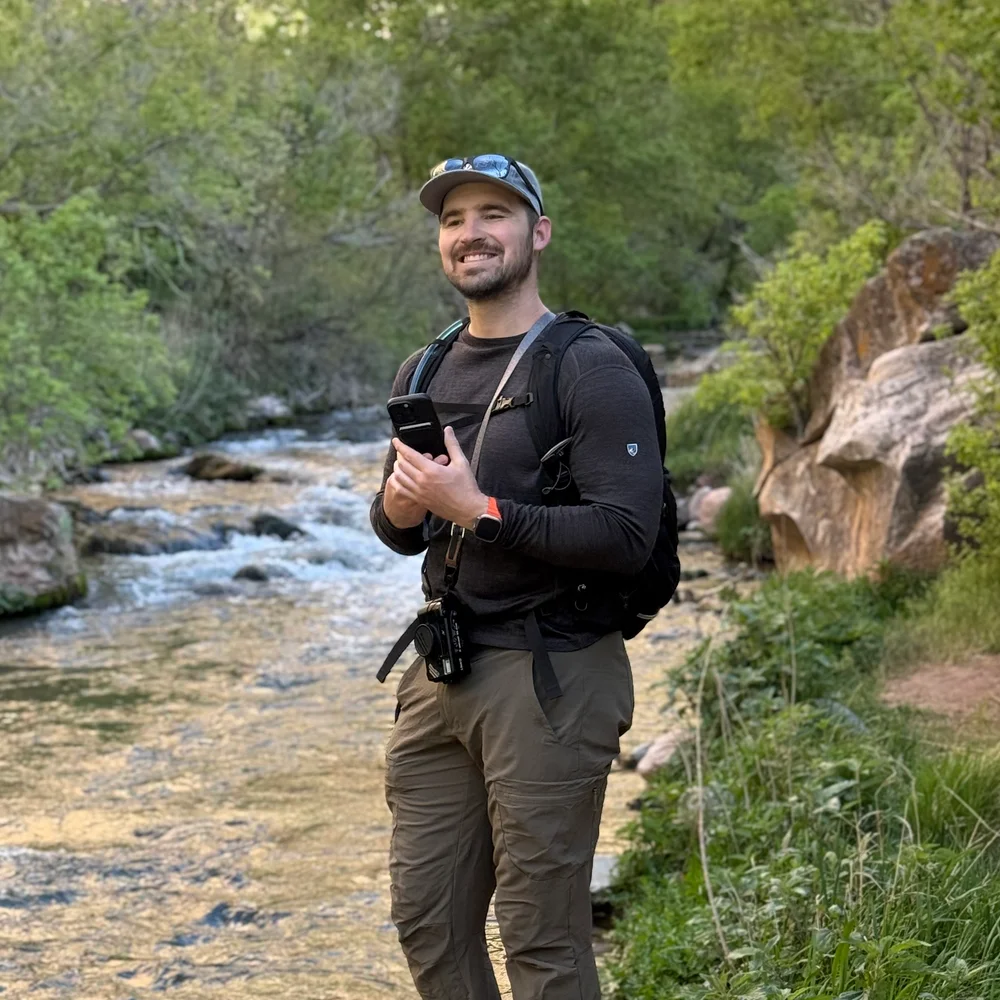
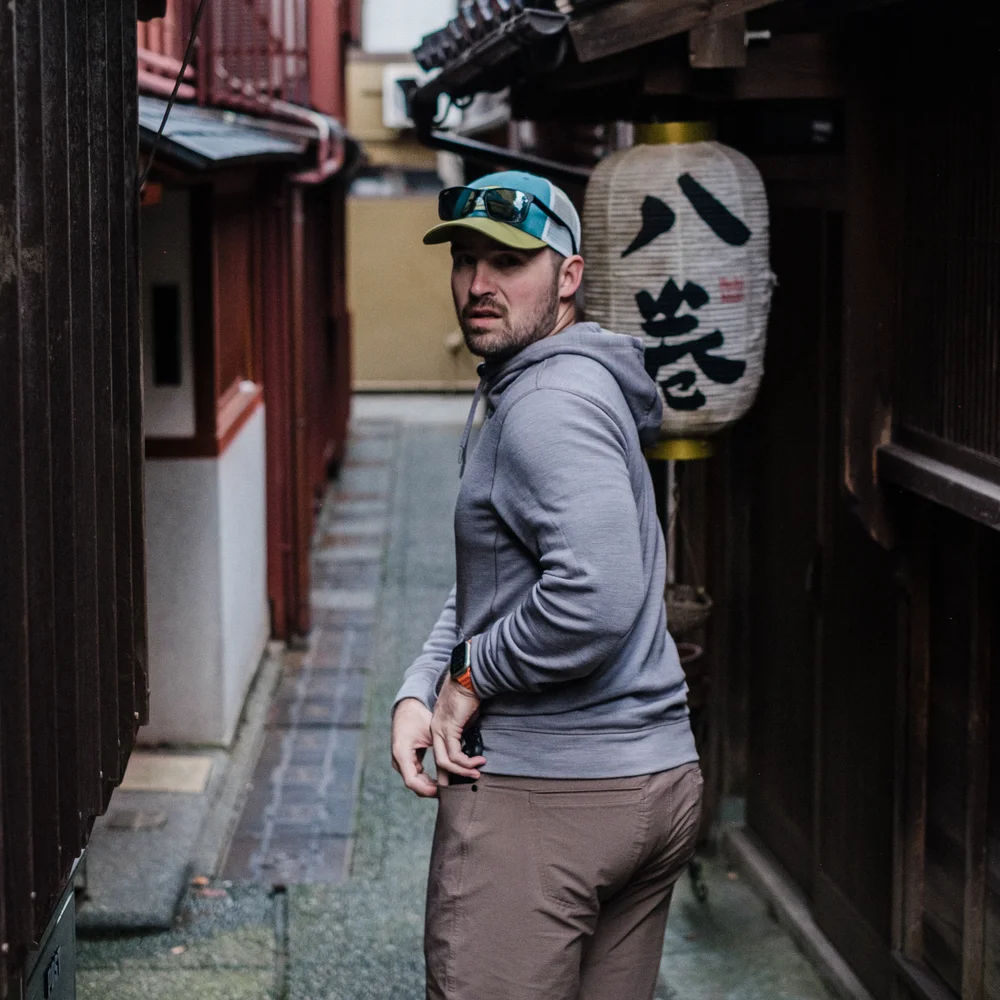
A sampling of post-shot Jamie on his phone photos.
After acquiring an Apple Watch Ultra and realizing you could assign controls to the action button, I fantasized about being able to just tap a button on my wrist and be done with it. Two years of thinking later, I decided to go for it. After months of SwiftUI tutorials and fighting with Xcode, Phoslog was born, and my hope is that, as a system, it reduces the friction of logging and writing metadata so you can spend more time taking photos and less time faffing about with software. Everyone deserves a chronological library with rich filterable metadata.